

6 driving mistakes learners make
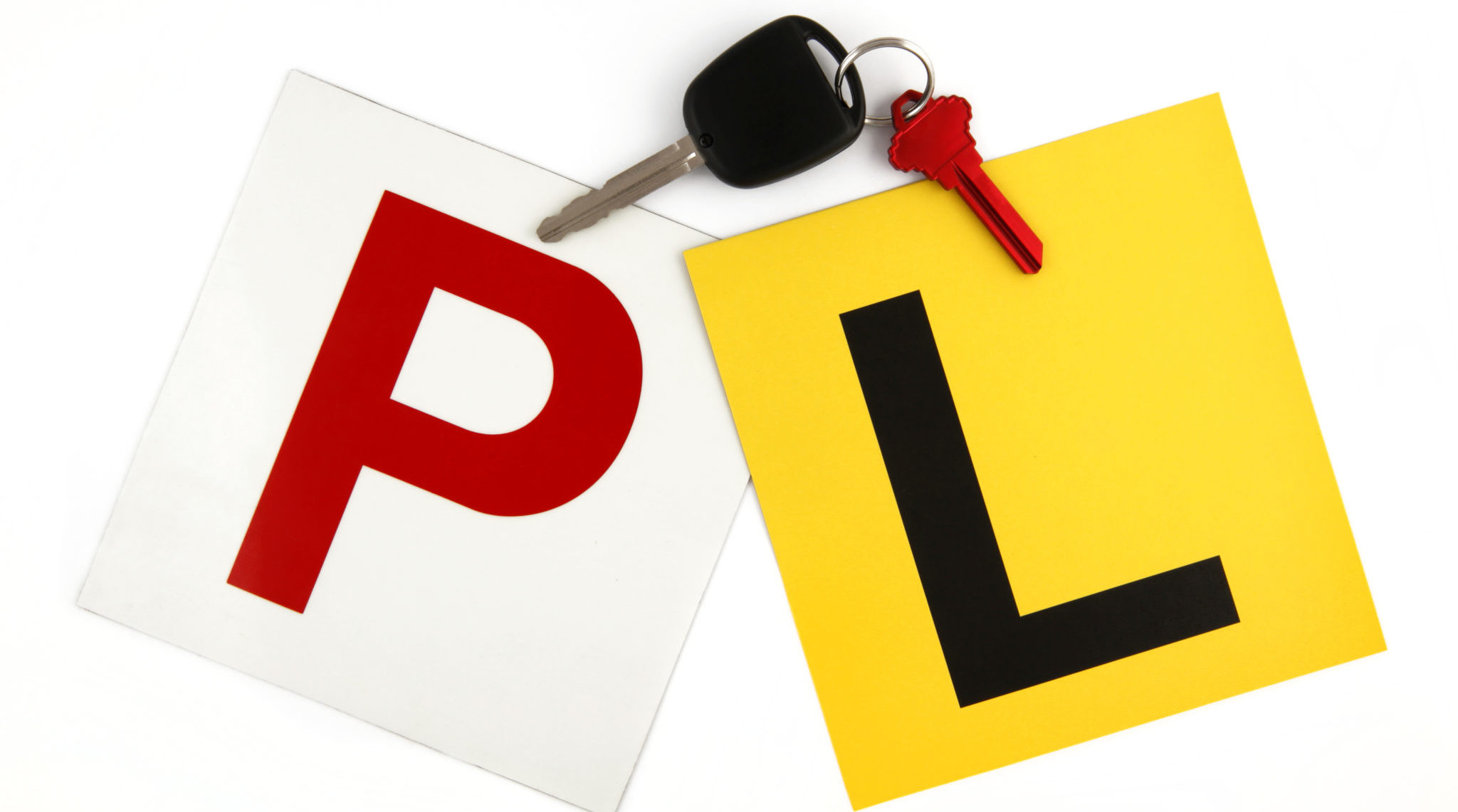
Ask any driver about their experience as a learner, and you’ll hear a story about the near-miss, that time they crashed into a stationary object or almost had a bingle on a roundabout.
The fact is, learning to drive is hard. Here are 6 driving mistakes learner drivers make, and how to avoid them, so you can quickly flip those plates from ‘L’ to ‘P’.
1. Forgetting to check blind spots
It’s good to become acutely aware of any blind spots your car might have, and get into the habit of checking them to the point where it becomes second nature. Making sure your blind spot is clear while merging, changing lanes and turning will reduce the chances of you having a crash on the road, and is something your driving instructor will monitor throughout your training. There are a number of ways to reduce your blind spots, including checking your seat and altering the position of your side mirrors.2. Failing to give way
Whether you’re entering traffic or changing lanes, understanding when to give way is a fundamental part of driving. While the rule of thumb is to give way to the right, there are many exceptions to this rule. Motorists also need to remember they need to give way to pedestrians and cyclists. Brush up on your knowledge and take the give way test on the RAA website.
3. Not indicating
With so much going on in and around the car, it’s easy for learners to forget to indicate when changing lanes or turning at an intersection. It can be a costly mistake though. Without communication from your indicators, it’s impossible for other road users to know your intentions.And aside from the obvious dangers, the fine for failing to indicate is $317, as well as a $60 Victims of Crime levy and 2 demerit points.
When pulling away from a kerb, you must indicate for at least five seconds. Additionally, an indicator shouldn’t be simply flicked on or off, but should be left on for long enough to give sufficient warning to other drivers and pedestrians.

4. Failing to stop
It’s important to remember that a stop sign is very different to a give way sign. While it might be tempting to slowly roll past a stop sign where the path ahead is clear, under the road rules you must come to a complete stop before your vehicle crosses the solid white line.Legally there’s no set period of time that a driver is required to stop for, but a minimum of three seconds is a good guide to give you enough time to check it’s safe to proceed. Failing to stop at a stop sign can result in a $428 fine plus a $60 Victims of Crime Levy and 3 demerit points.
