

The evolution of RAA
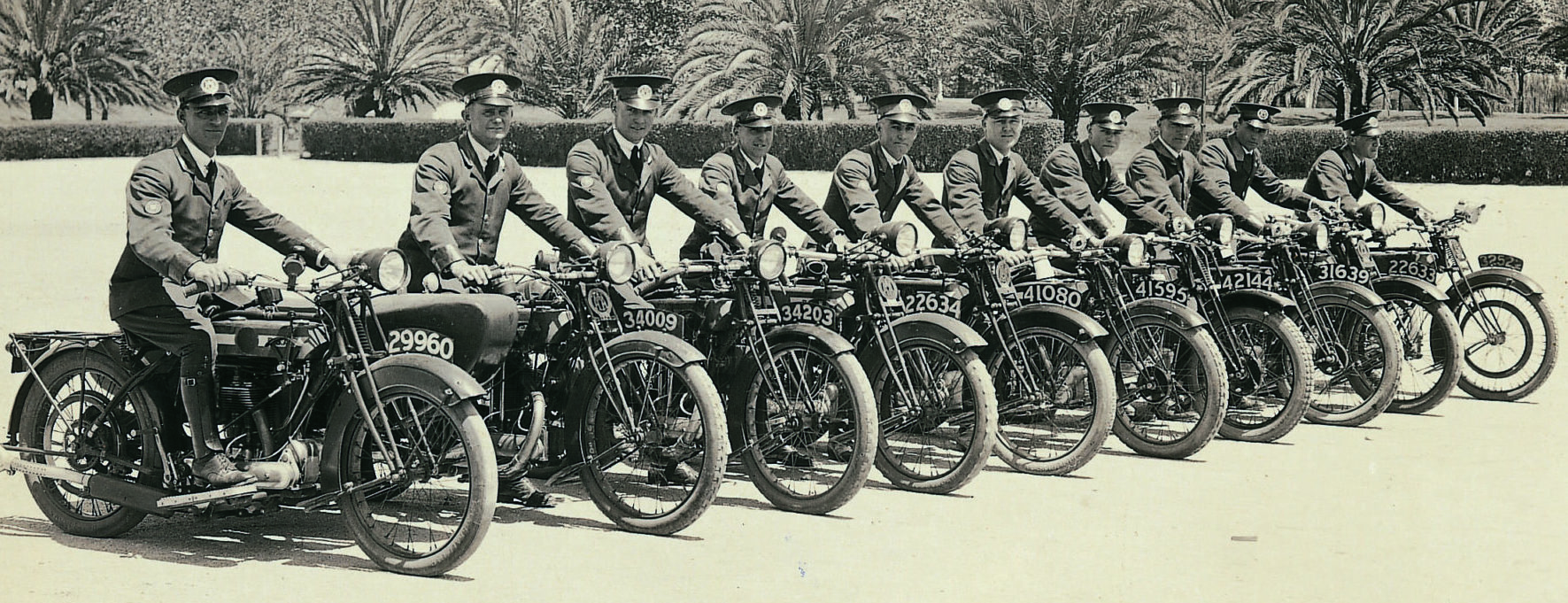 When a group of South Australians came together in 1903 to form a social motoring club, they probably didn’t realise how much of an impact their decision would have on the state over the next 116 years.
RAA has gone through highs, lows and numerous challenges, all of which have shaped the organisation to make it what it is today. Here are just a few highlights from our history.
When a group of South Australians came together in 1903 to form a social motoring club, they probably didn’t realise how much of an impact their decision would have on the state over the next 116 years.
RAA has gone through highs, lows and numerous challenges, all of which have shaped the organisation to make it what it is today. Here are just a few highlights from our history.
The beginning
On 30 September 1903, 15 South Australians gathered at the League of South Australian Wheelmen – a cycling club – and decided to form a separate organisation which would focus on motoring. The club was named the Automobile and Motor Cycling Club of South Australia.RAA was born, but it wouldn’t take on this moniker for some years.It began with clubroom meetings and weekend drives, but as the government started introducing restrictive road regulations, RAA began advocating on behalf of its members. In 1904 the group dropped motor cycling from its name, becoming the Automobile Club of South Australia. The club held weekly drives, various races and hill-climb contests. RAA also realised members were beginning to travel further in their vehicles – some were even driving from Adelaide to Melbourne. The vast distances between towns created the challenge of refuelling.

This 1905 NSU motorcycle was badly damaged due to inadequate roads – an early concern of RAA.
Motor gymkhana at Morphettville
RAA held the state’s first motoring contest on 12 November 1904 at Morphettville Racecourse, which included two-lap motorcycle handicap races and a 220-yard reverse race.Advocacy and speed limits
By 1910 there were about 2000 cars – and about the same number of motorcycles – on South Australian roads. The popularity of the new technology led to the state government introducing speed limits and driver’s licences. The speed limit in the CBD was set at 12mph (or about 20km/h) and 6mph around corners. This became a contentious issue for RAA. By 1922 it reached a climax, with speed limits as low as 4mph (about 6km/h) in some places around Adelaide. The organisation waged war on what were seen as revenue-raising tactics of police speed traps.
RAA has advocated on petrol issues throughout its history.
